Artist Umesh Artist Journey Bell And Its Concepts Landscape Belief, Devotion, and Spiritual Practice Political Climate, Impact, and the Pursuit of Peace HImalayan Belief, Pratice and Devotion Travel and Visit Solo Exibition Entitled Mundane Friction to Self Flow Sketches and Drawings Thinker
ARTIST UMESH

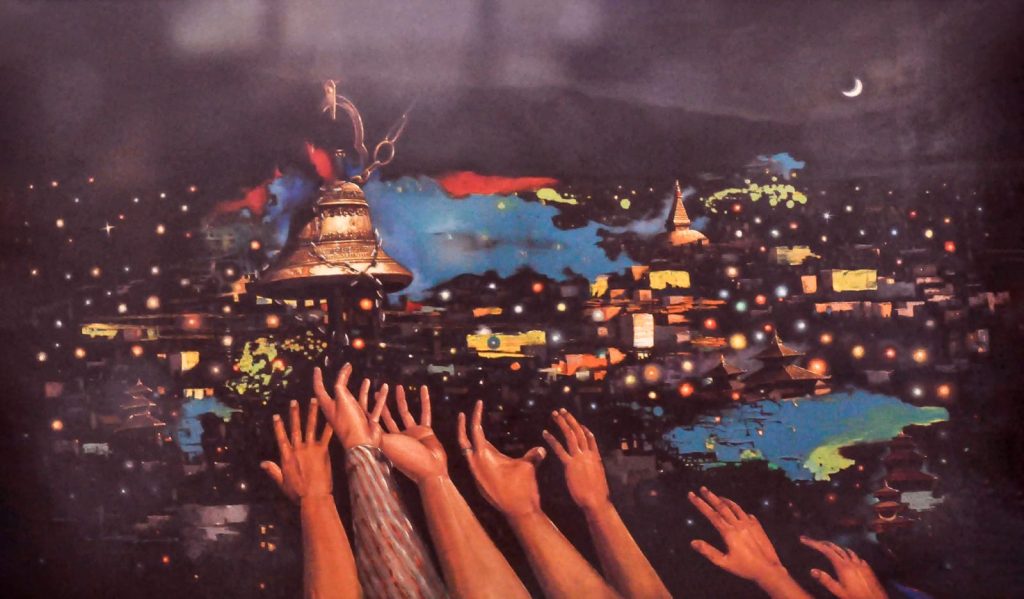
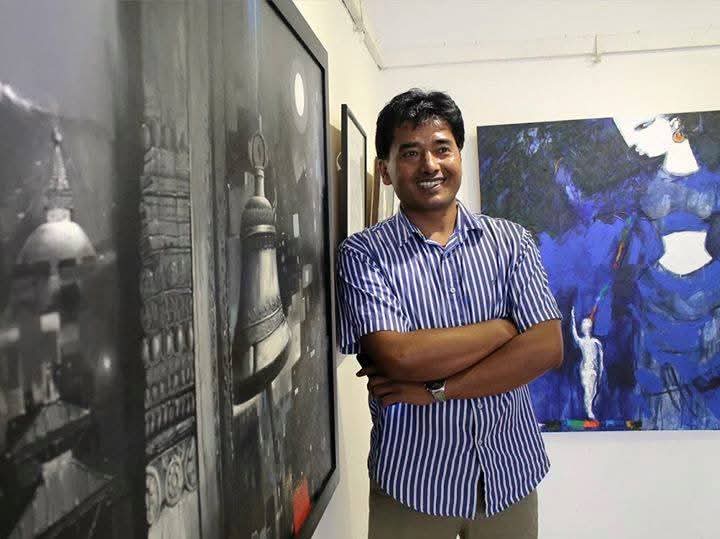
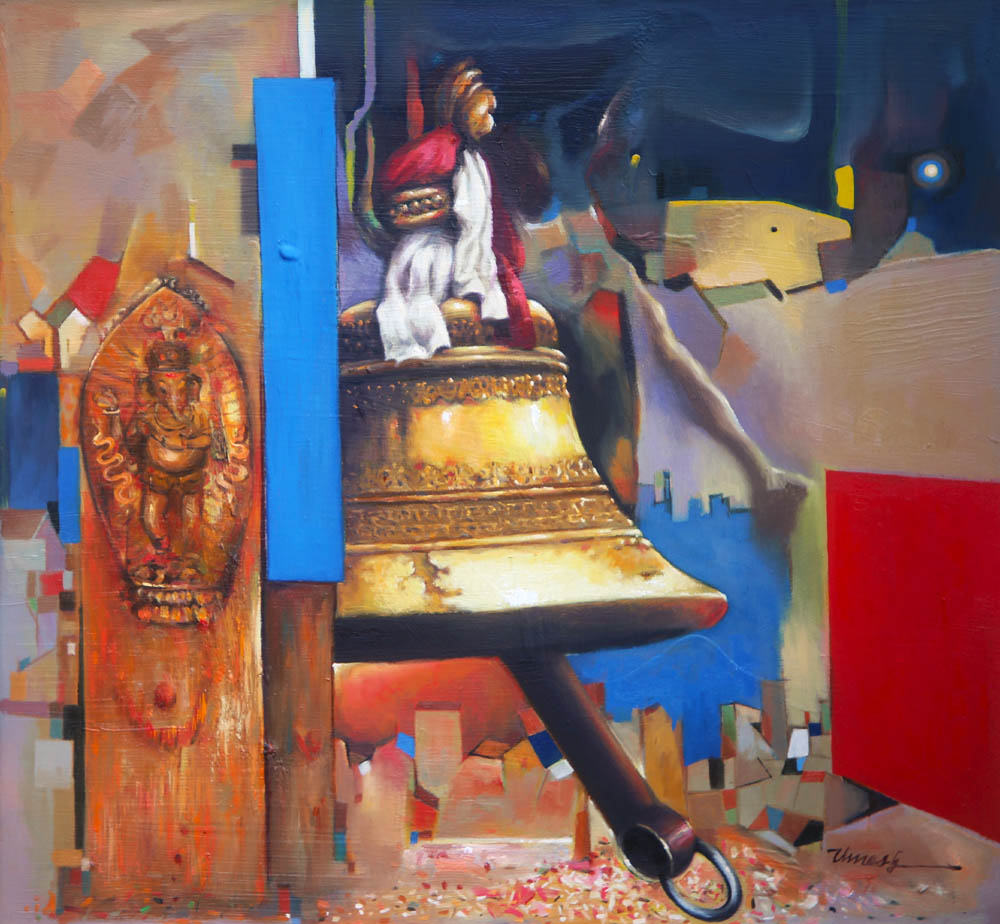
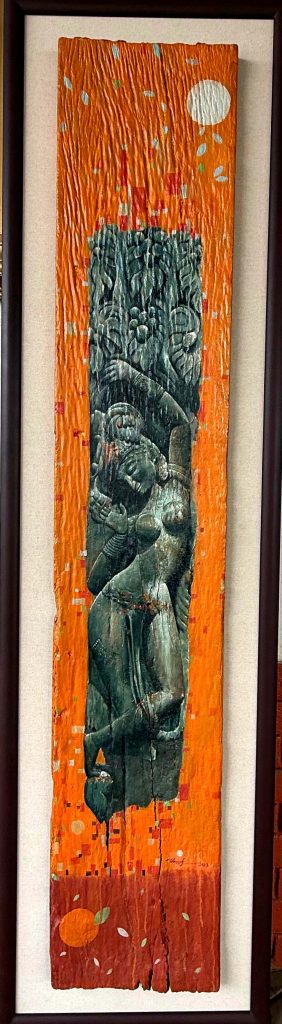
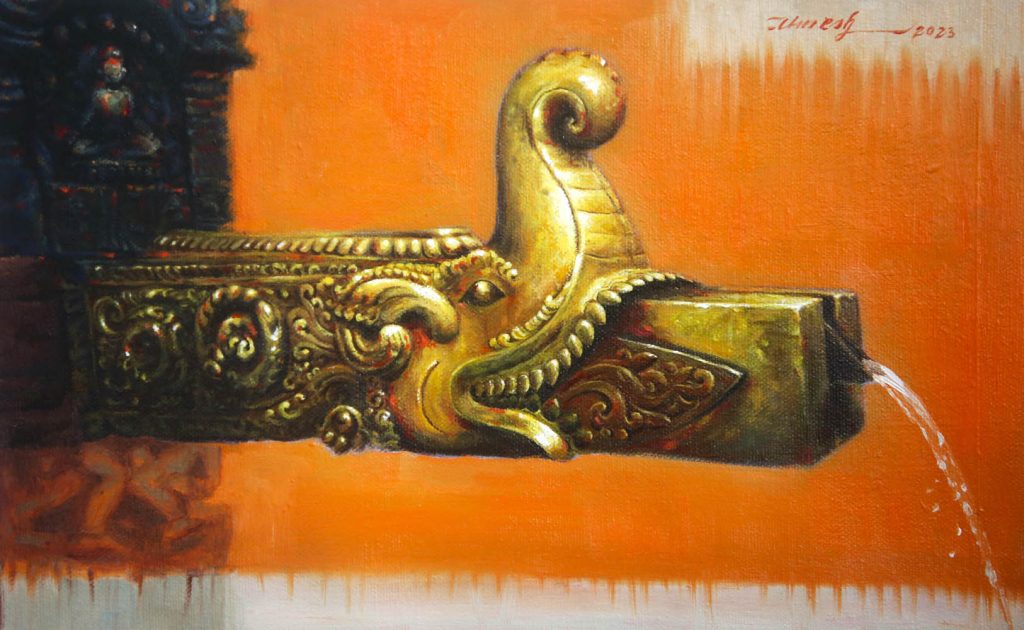
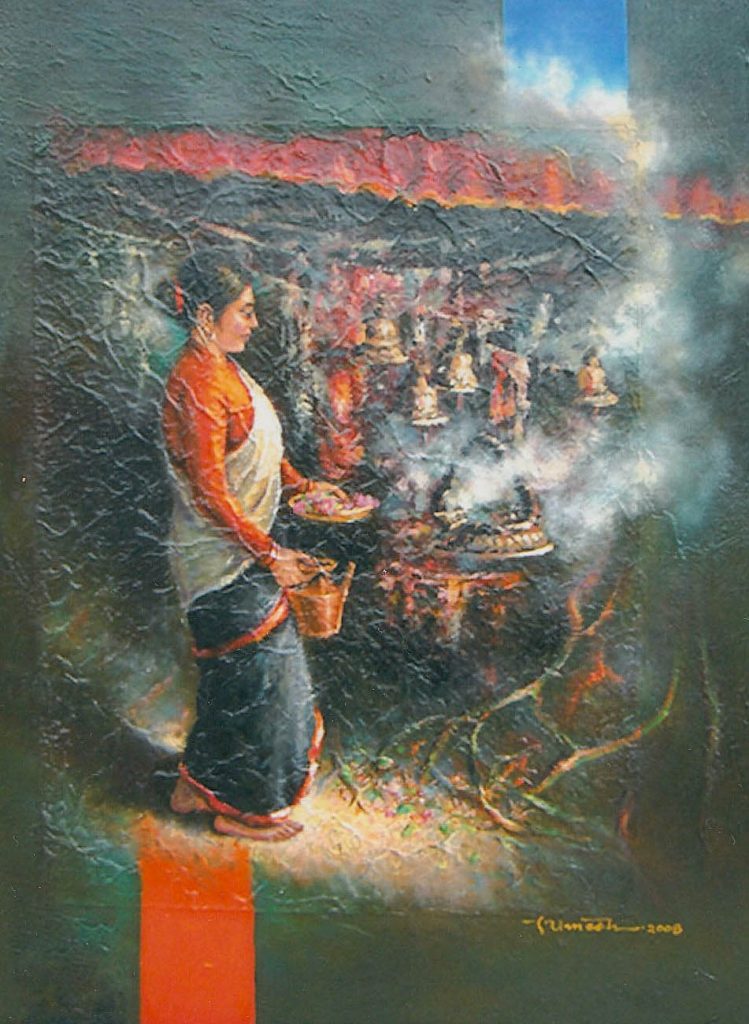
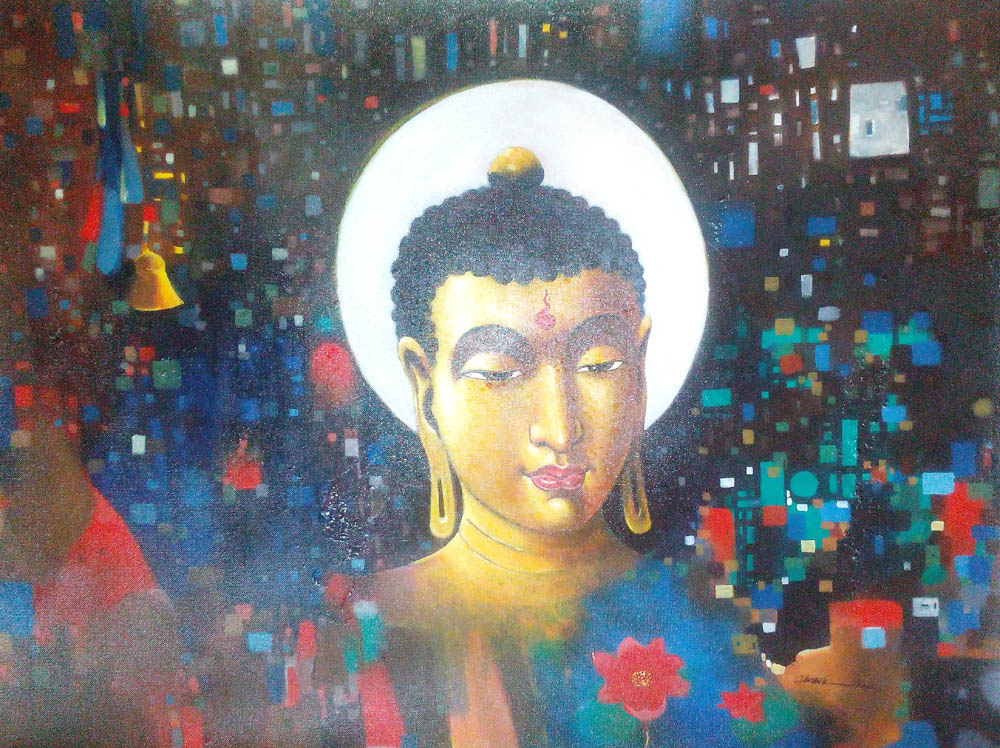
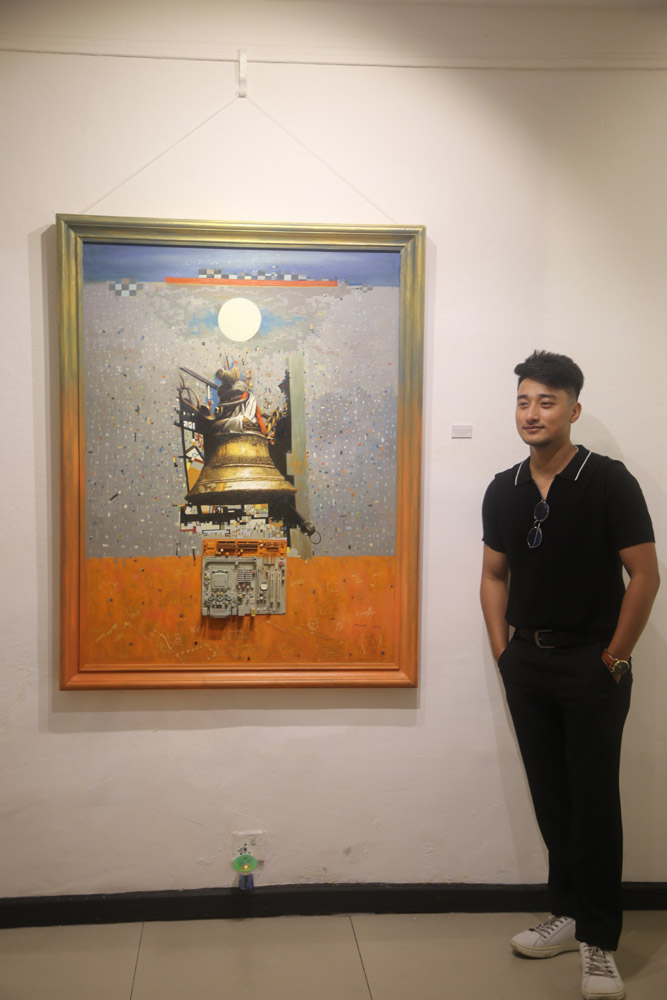
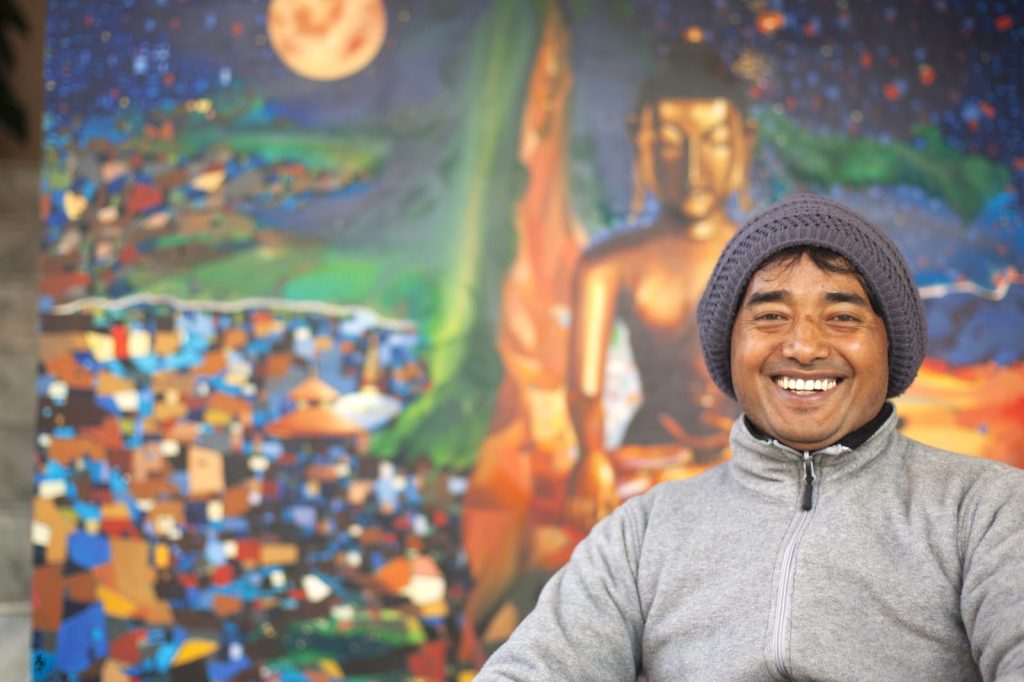
Umesh Shrestha is a contemporary Nepali artist whose practice unfolds as a journey of inner inquiry rooted in the Himalaya. Bridging Eastern philosophy with a contemporary visual language, his work explores consciousness, devotion, and the subtle transition from matter to spirit. For Shrestha, the Himalaya is not merely geography but a living source of civilization, memory, and spiritual awareness. Drawing from Himalayan culture, ritual traditions, and personal experience, he translates these influences into symbolic and meditative compositions that merge abstraction with figurative presence. Central to his practice is the motif of the bell—an embodiment of eternal sound (anāhatanāda), devotion, and inner stillness. Alongside the bell, light and the subtle human form recur as key elements. Light, often emerging from within the figure, represents inner radiance—the awakening of consciousness beyond the visible. Through symbols such as the bell, light, and human presence, his art invites quiet reflection—where sound dissolves into silence, and silence reveals the self within the artwork.

ARTIST JOURNEY

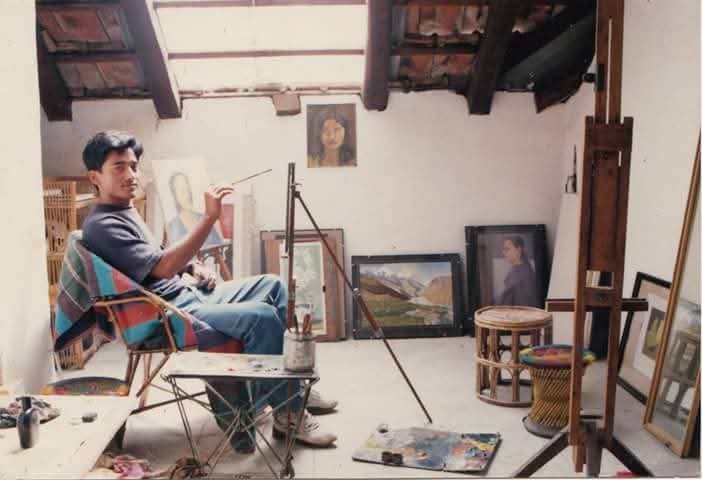
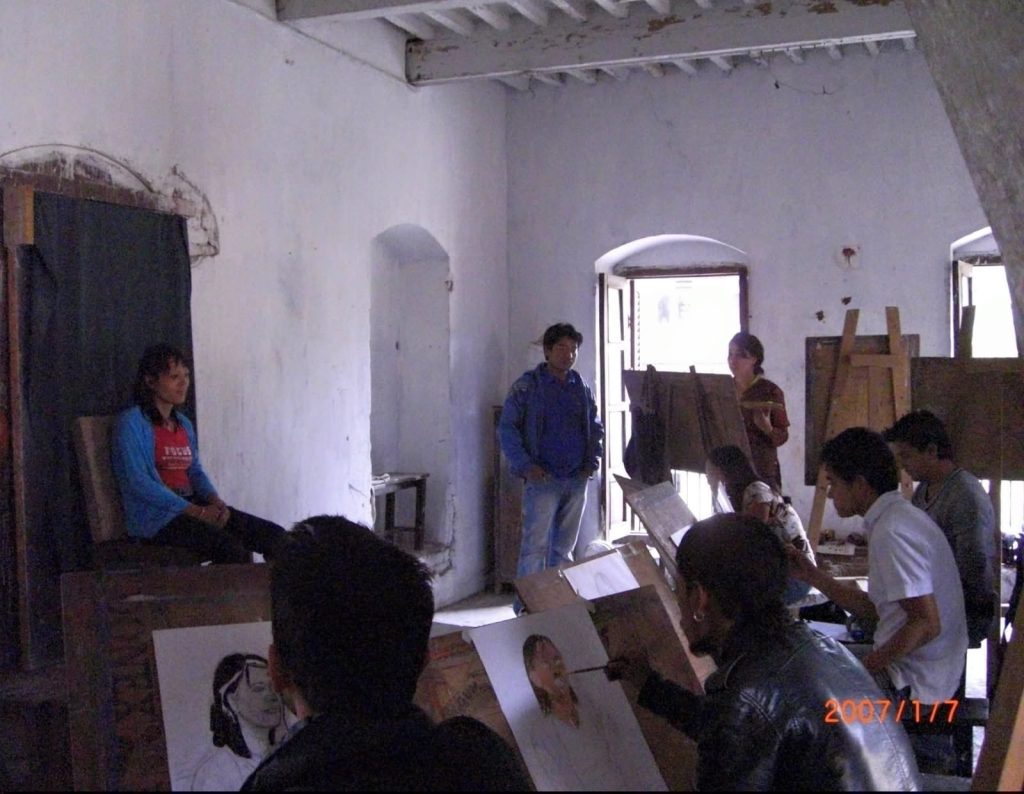
My childhood unfolded in the close presence of my grandfather, an astrologer and a deeply spiritual figure. From an early age, I was inward-looking by nature, drawn not only to what I saw but to the hidden essence—the tattwa—behind things. This inclination led me naturally toward contemplation and reflection. During those formative years, I encountered illustrated prints from sacred texts such as the Ramayana and the Mahabharata, where paintings were used to illuminate the meaning of the verses. These images left a lasting impression on me. Even before I understood the social or economic value of art, or its place in society, a deep hunger for images had already awakened within me. Gradually, I began observing these illustrations closely—their forms, structures, and compositions—and started drawing whatever I could find around me. Looking back, I now realize that this was the beginning of my visual journey. After enrolling in school, I found myself more drawn to illustrations in textbooks, book covers, and even objects like the globe in the school office than to written words. I spent more time observing and drawing than studying letters. As a result, my identity in school became defined not by academic achievement, but by my place among those who could draw. Carrying the dreams of my family, I moved to the capital city. Within a few years, however, I chose to step away from those expectations and began formally studying fine arts. As a young outsider in the city, I followed my own path—committing myself to nurturing, refining, and disciplining the artistic impulse within me. Through the many ascents and descents of life, I continued this journey and eventually completed my Master’s degree in Fine Arts. After a period of teaching and engaging in various art-related works, I am now fully devoted to my practice at Shrestha Art and Architecture Studio. Today, my work continues to evolve from that same inner impulse—seeking to express the unseen essence through form, light, and experience.
BELL AND ITS CONCEPTS

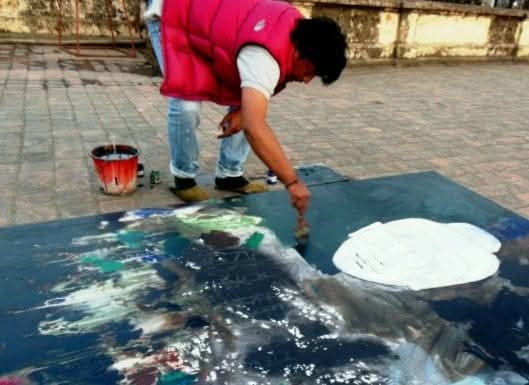
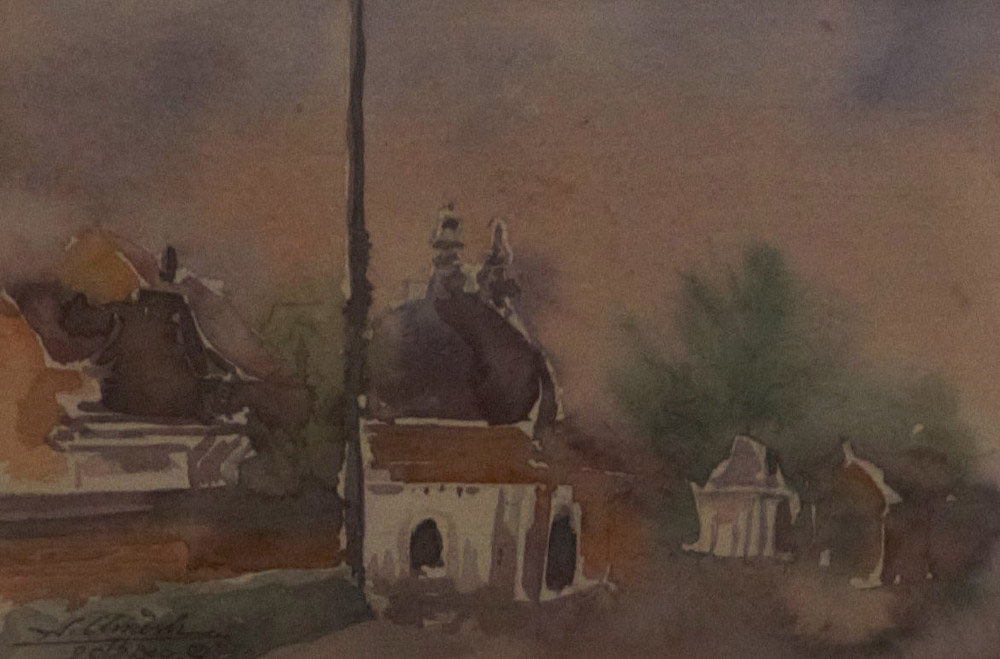
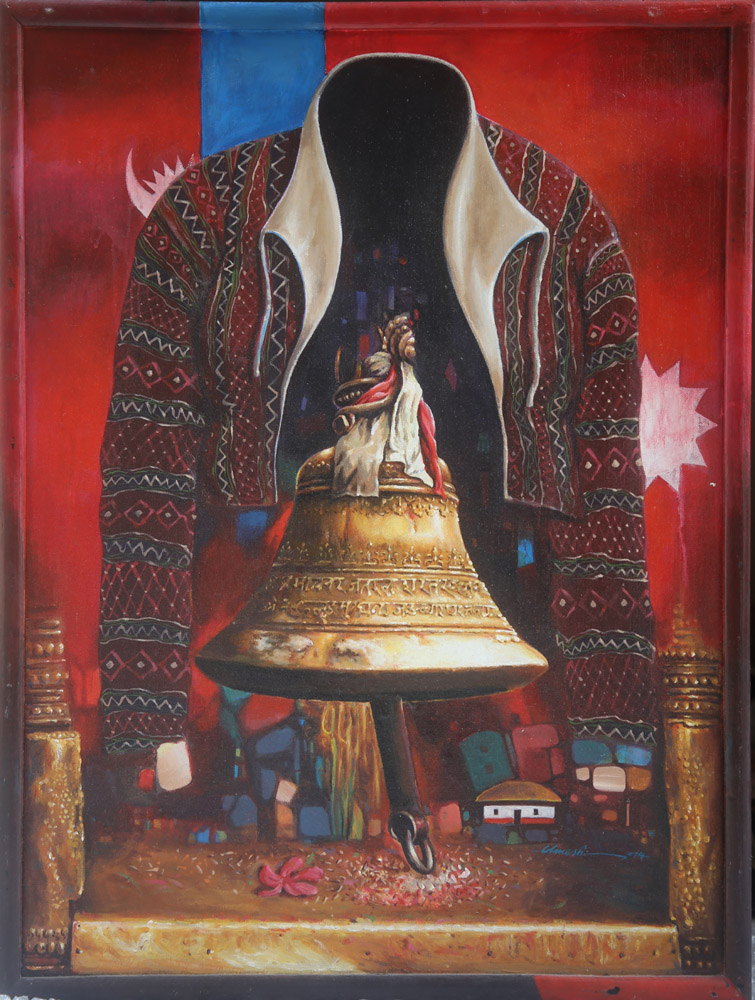
A moment in time when the external world was marked by conflict, yet inwardly, something subtle within consciousness was beginning to unfold. One evening, I set out for a plein air painting session at Shankhamul Ghat. What began as an observation of the visible gradually transformed into a silent dialogue between nature, memory, and inner awareness. Working in watercolor through the fluidity of wet-on-wet, I attempted to capture not just form, but the atmosphere of experience itself. It was not merely painting—it was meditation in motion. At that time, Nepal was passing through the Maoist Insurgency. One evening, while returning, I was stopped at a police checkpoint. A simple paper cutter in my bag became an object of suspicion. That moment revealed something profound— that meaning is not inherent, but contextual. And perhaps, so is human perception. This experience stayed with me. Gradually, it transformed into a deeper inquiry: Is art only an expression of beauty, or also a witness to instability? From this question, a visual language began to emerge. The bell appeared—not merely as an object, but as an inner resonance, a vibration that gives voice to silence. The dove followed— not just as a form, but as a gesture of peace, a movement toward release and transcendence. Over time, these elements evolved alongside images of Buddha, temples, the Himalayas, and Nepali cultural symbols. Yet they are not representations—they are manifestations of consciousness. Today, the Bell Series stands as a continuum of inner sound—where each bell does not mark time, but awakens awareness.

LANDSCAPE

Where Himalayan light meets form and color, landscapes become journeys of spirit and consciousness—echoes of the divine captured in every moment.

BELIEF DEVOTION AND SPIRITAUL PRACTICE

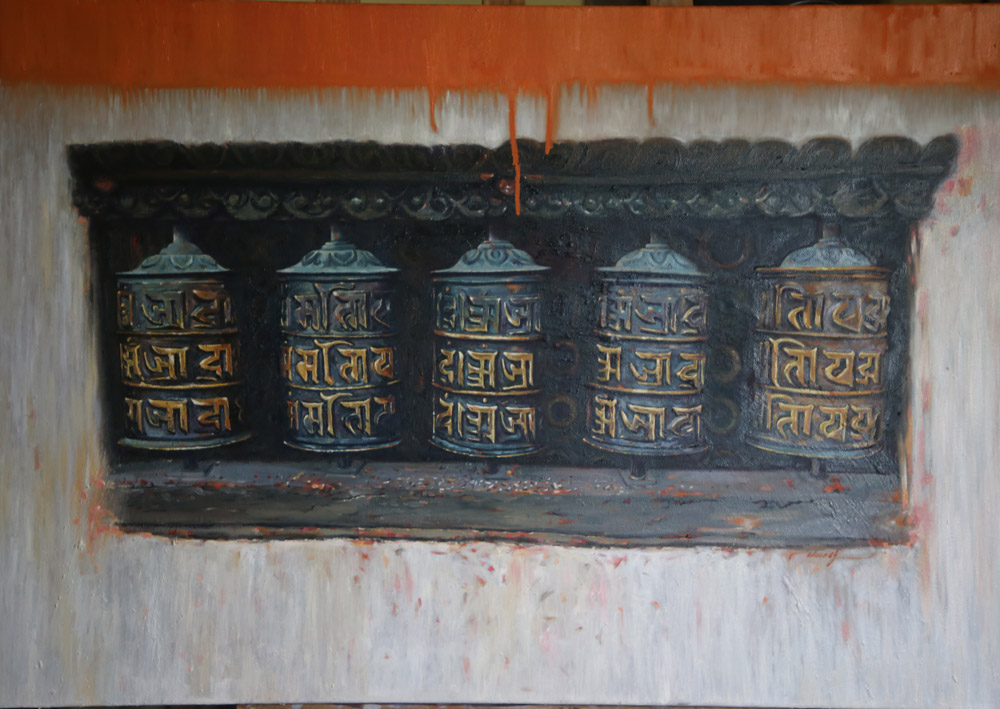
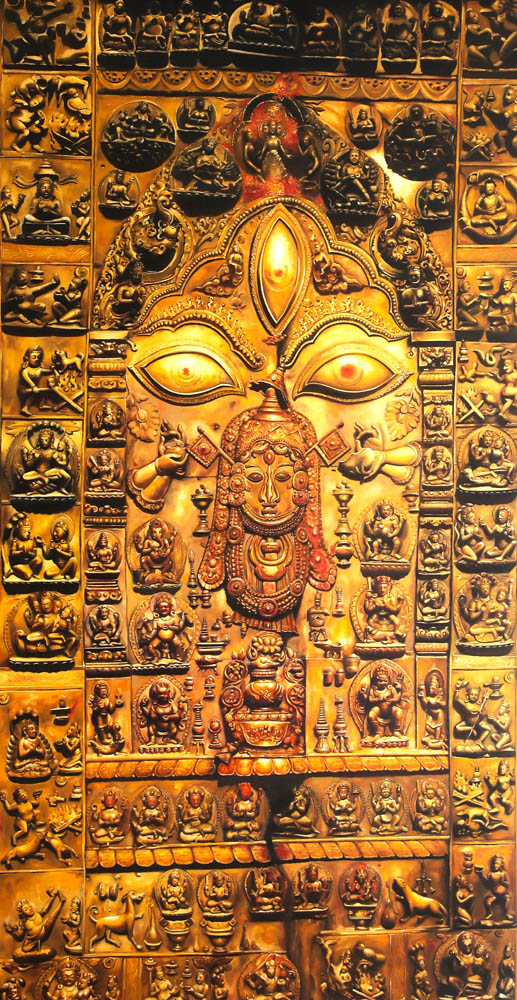
This series brings to life the experiences and flashes of consciousness that have shaped me from childhood to the present. In each canvas, the central deity reigns at the heart, while surrounding elements reflect the flow of devotion, awareness, and spiritual practice. Here, it is not just the landscape of the divine—but a journey of spirit and consciousness.

POLITICAL CLIMATE IMPACT AND THE PURSUIT OF PEACE

This series embodies humanity’s timeless and universal yearning for peace. Born from the struggles and forces I have witnessed in my homeland, these works transcend mere depiction—they map the endless journey of human consciousness, the cycles of conflict, and the relentless pursuit of harmony. Every stroke pulses with both power and hope, tracing the light that emerges amid darkness. These artworks stand as symbolic mirrors of our shared human experience, capturing the collective consciousness, resilience, and aspirations that connect us all across time and space.

HIMALAYAN BELIEF PRACTICE AND DEVOTION
TRAVEL AND VISIT
SOLO EXHIBITION ENTITLED MUNDANE FRICTION TO SELF FLOW
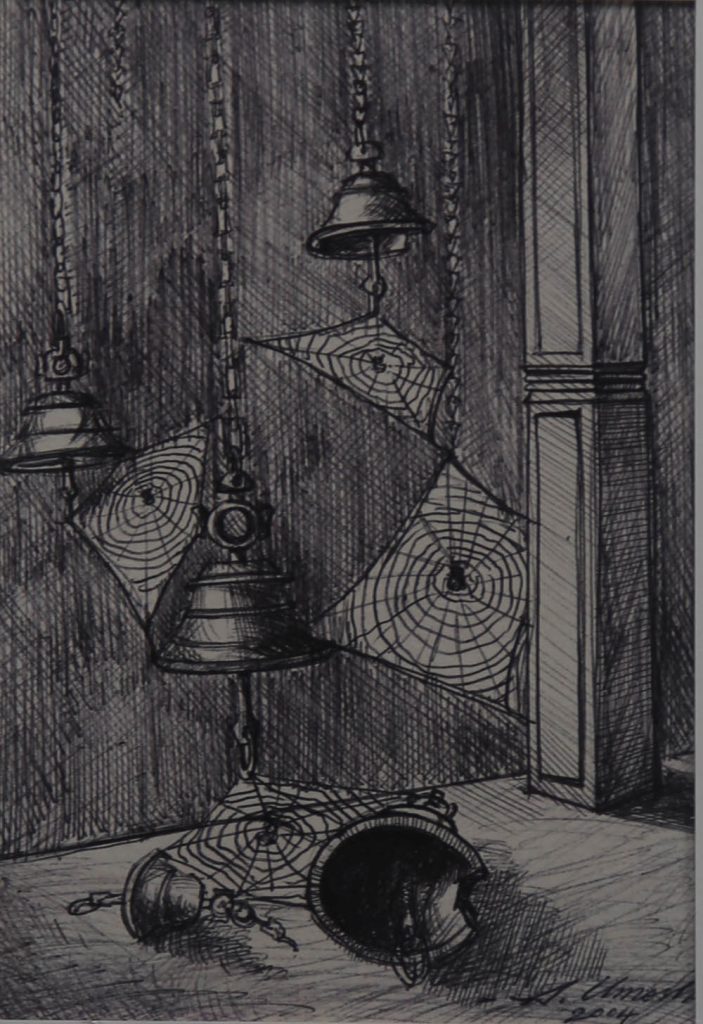
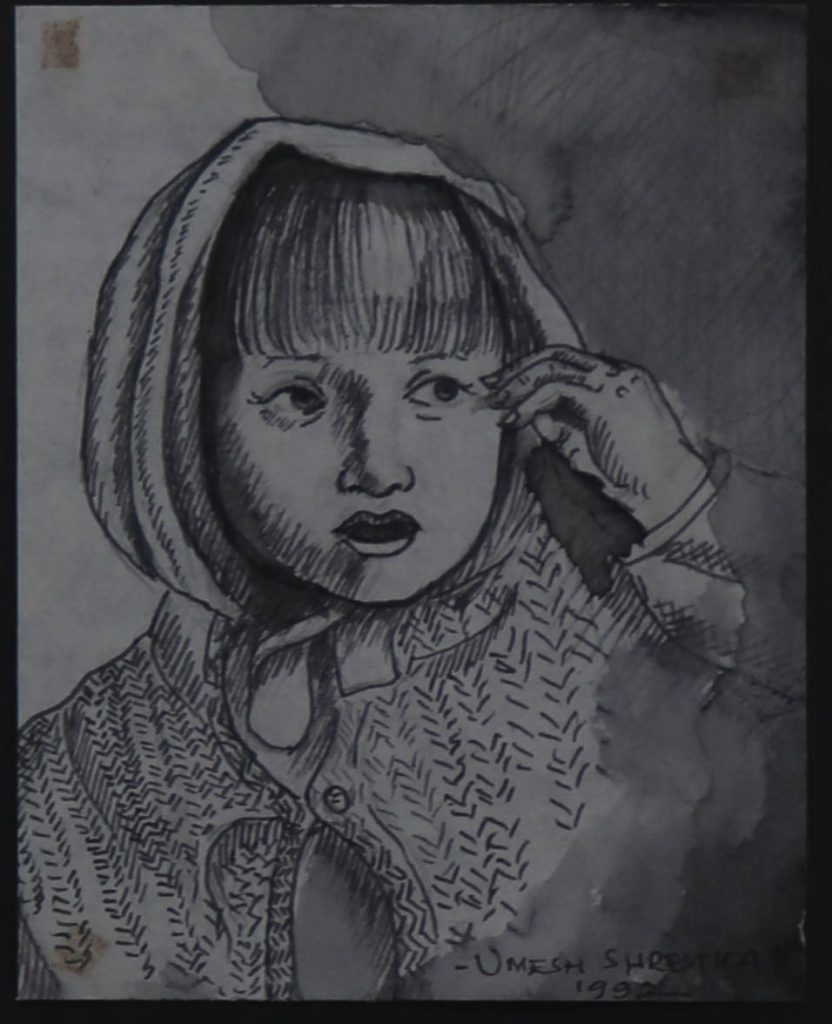
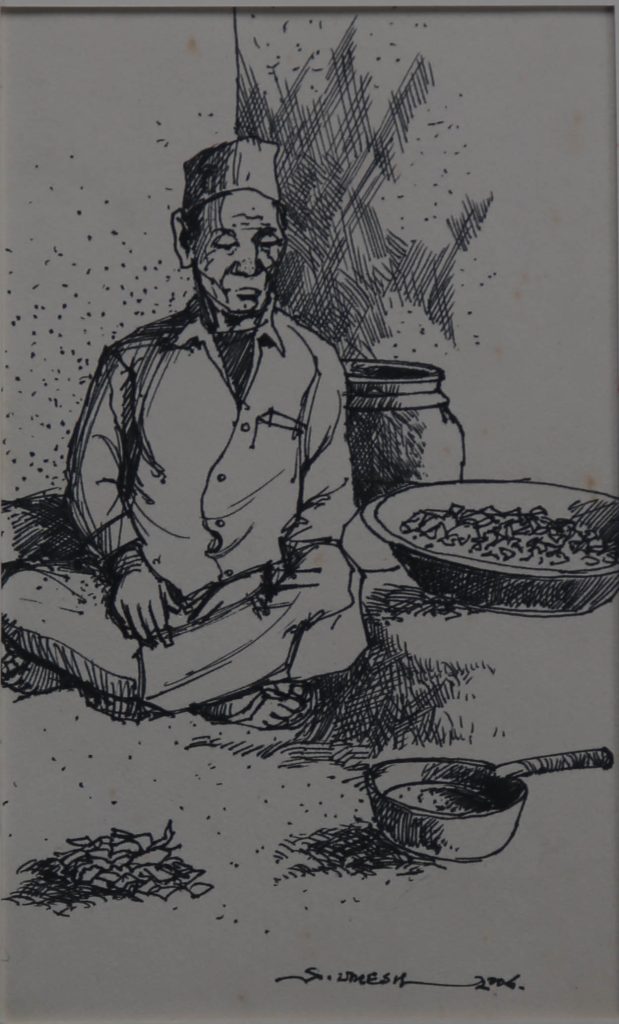
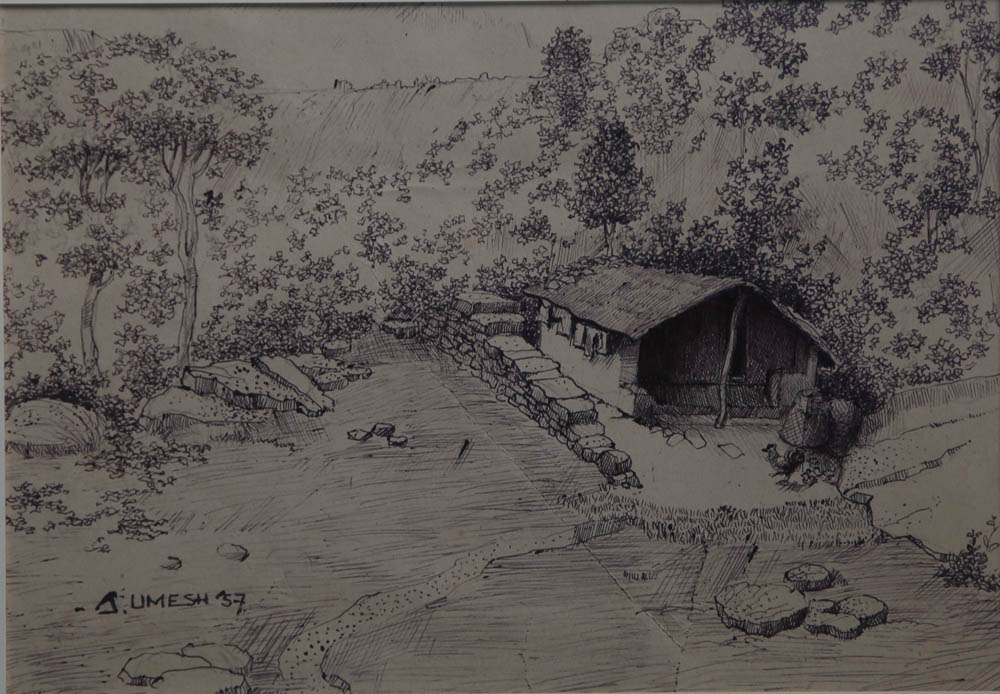
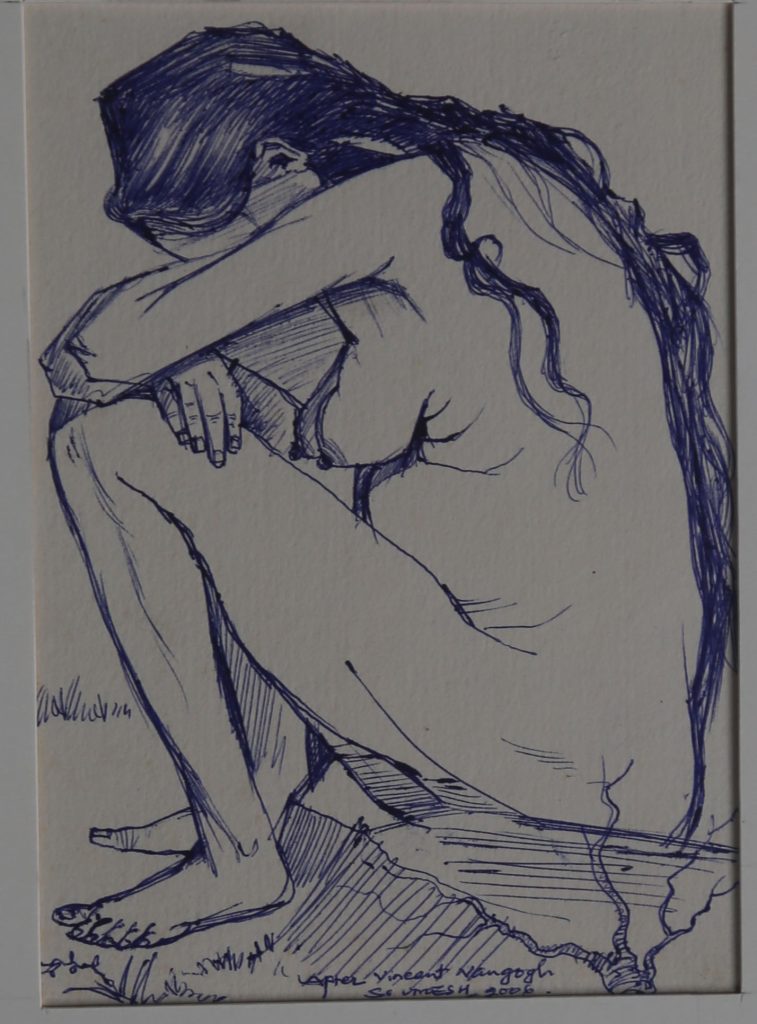
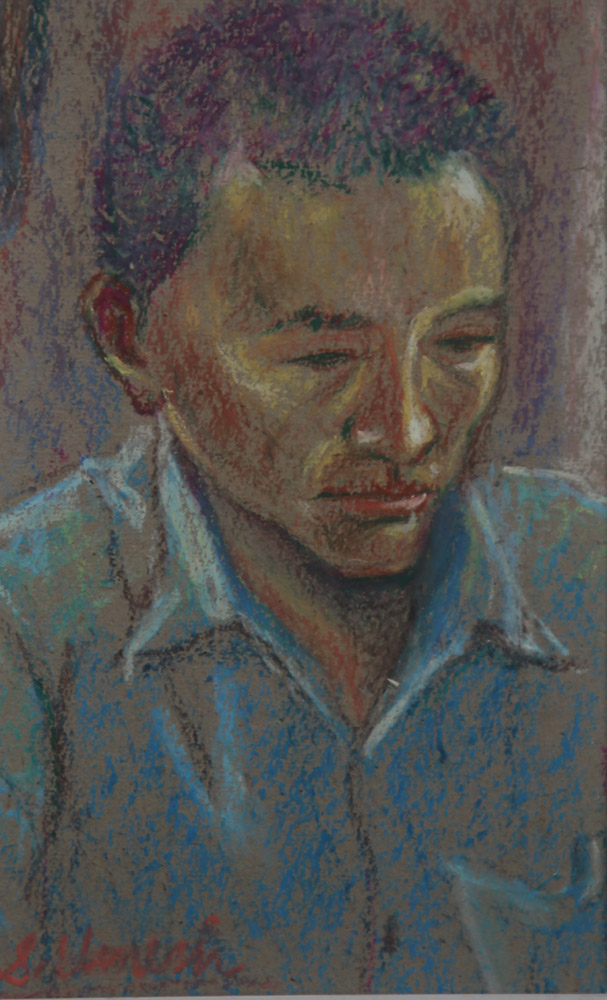
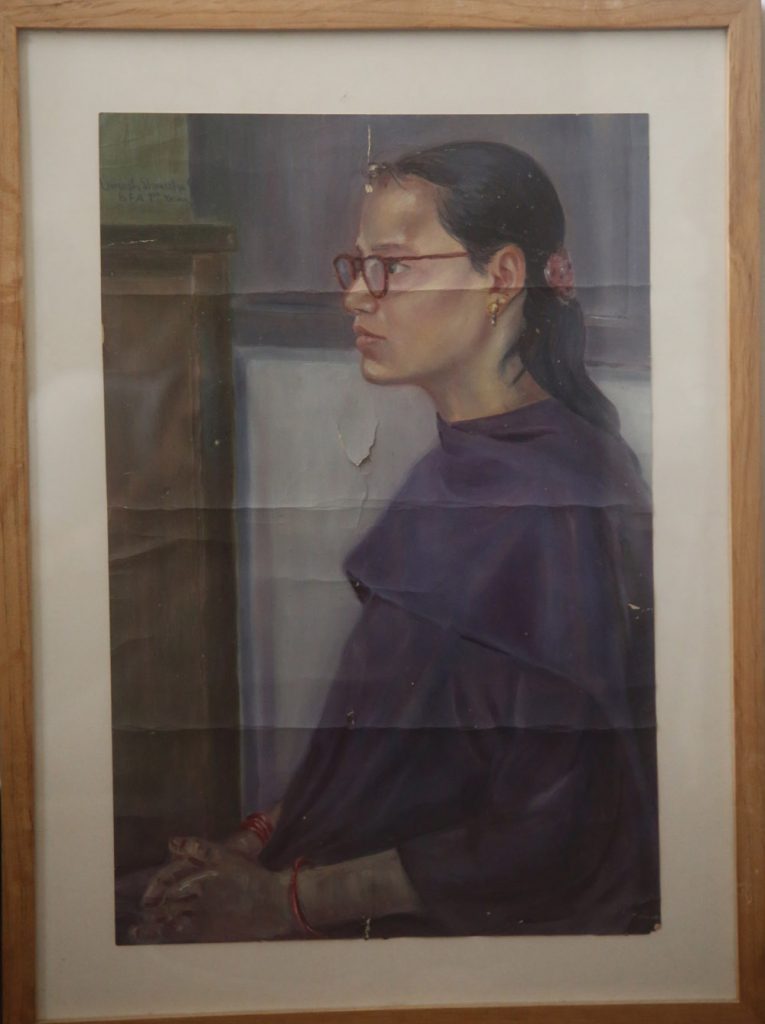
SKETCHES AND DRAWINGS
THINKER

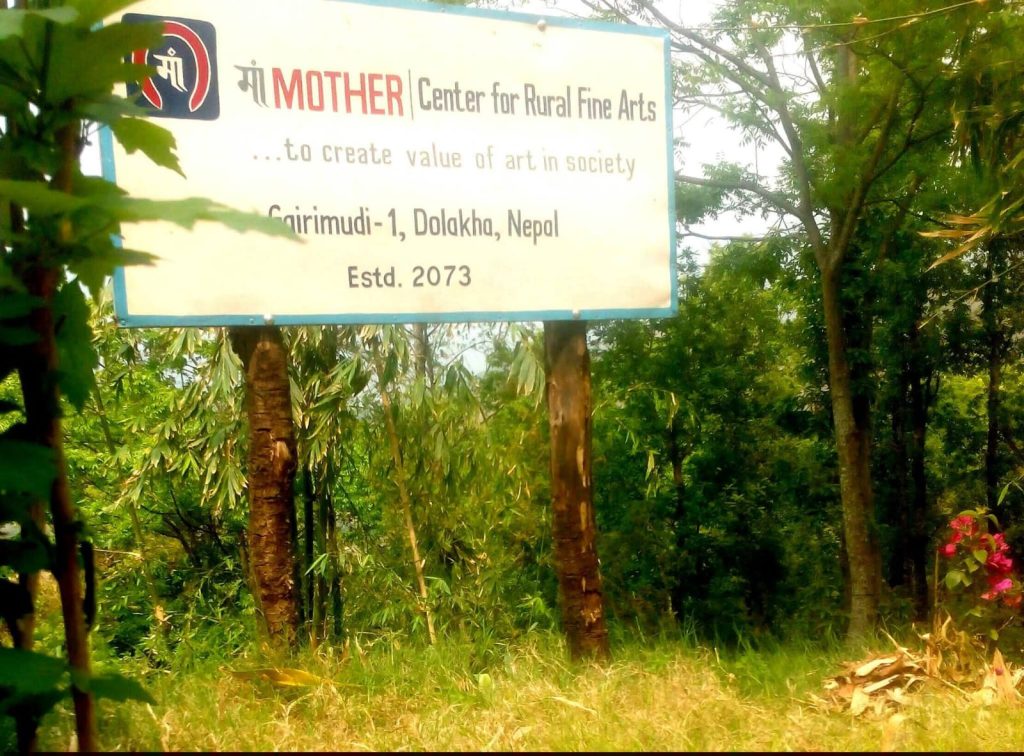
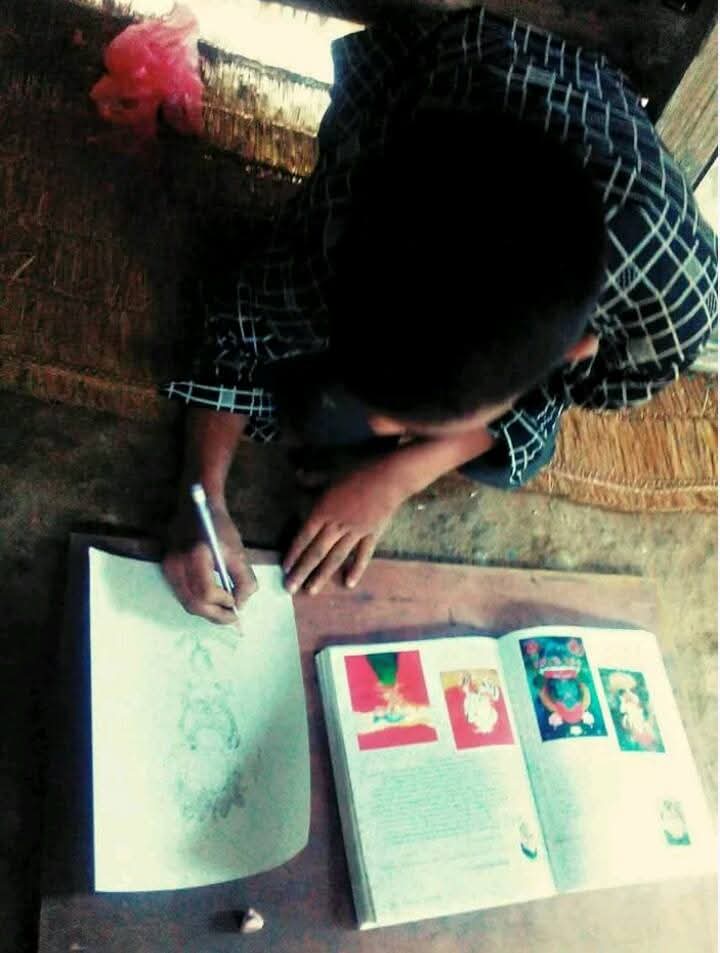
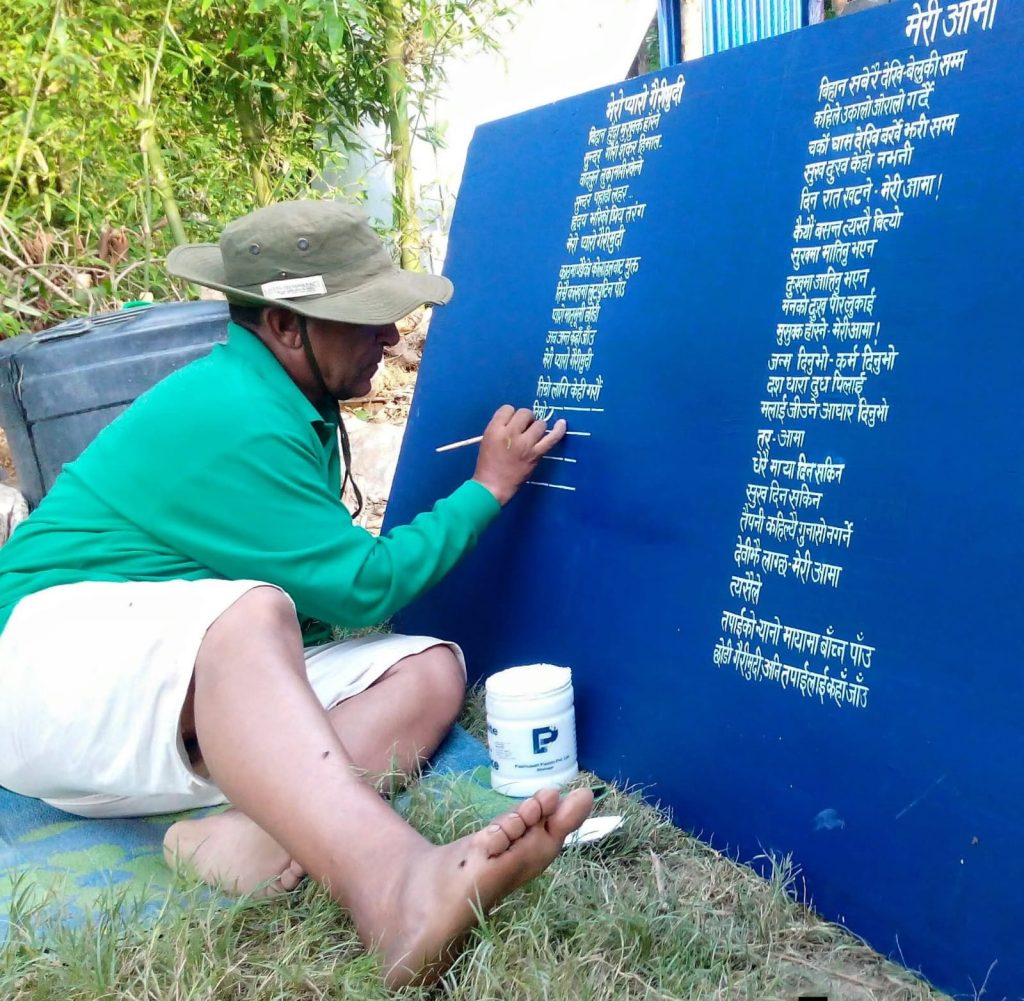
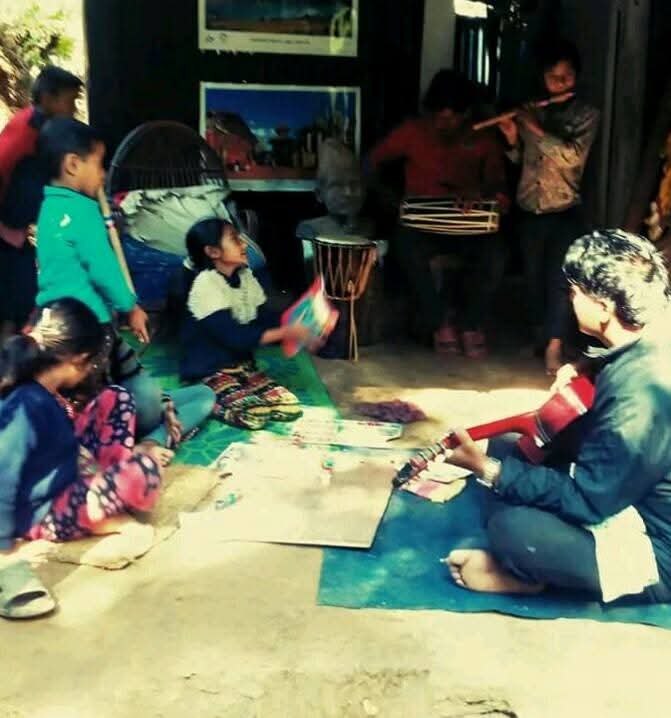
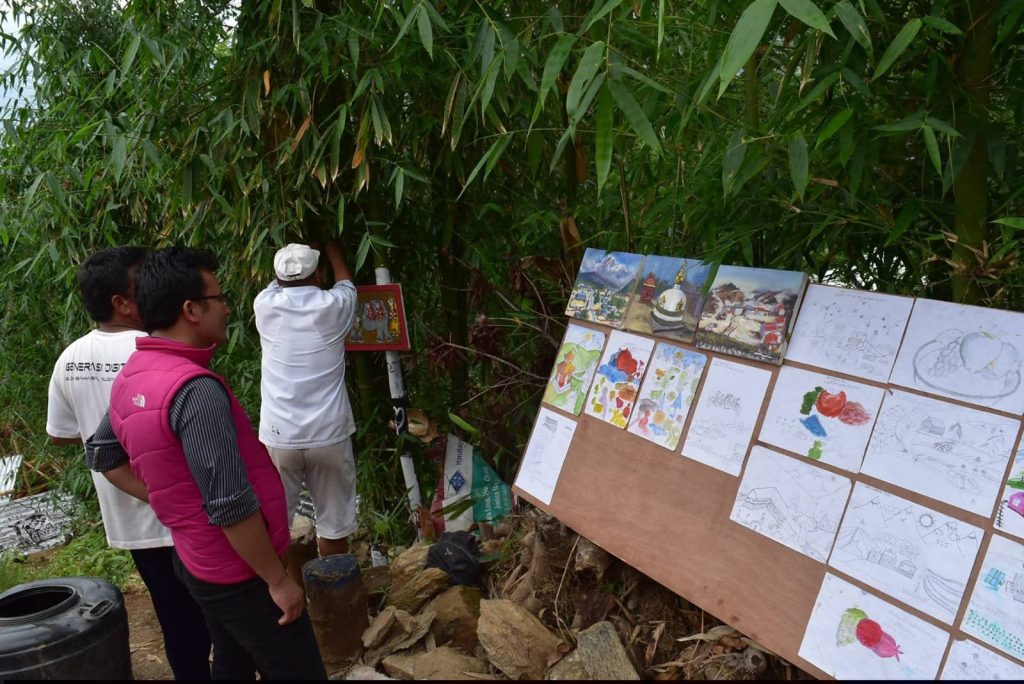
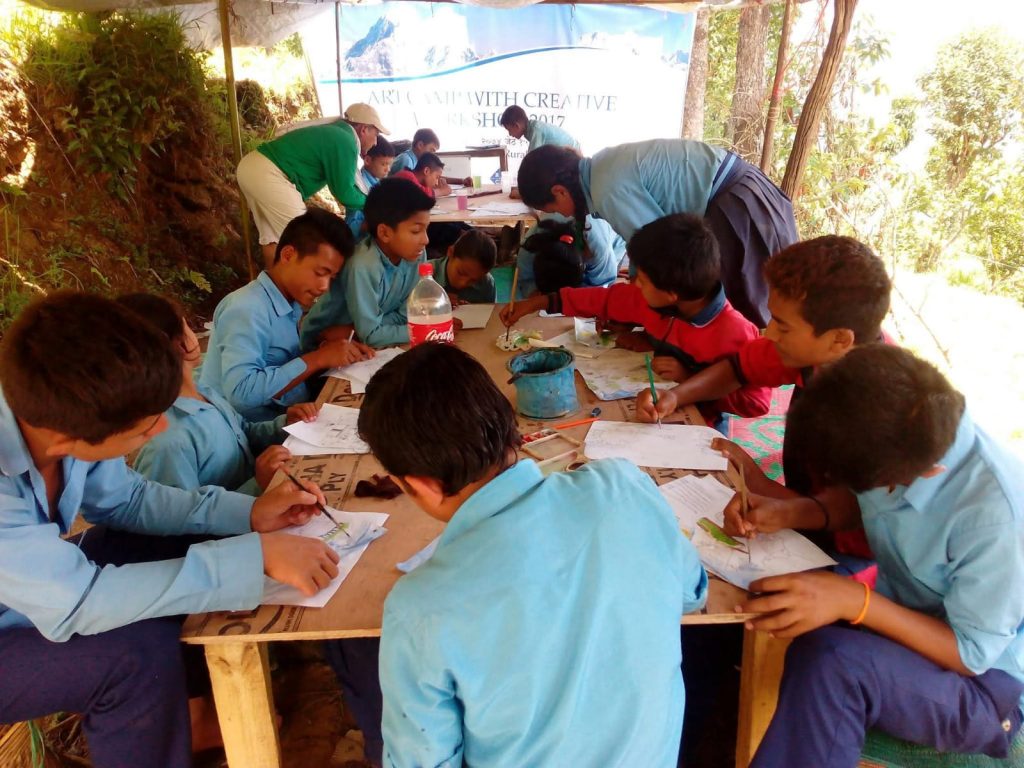
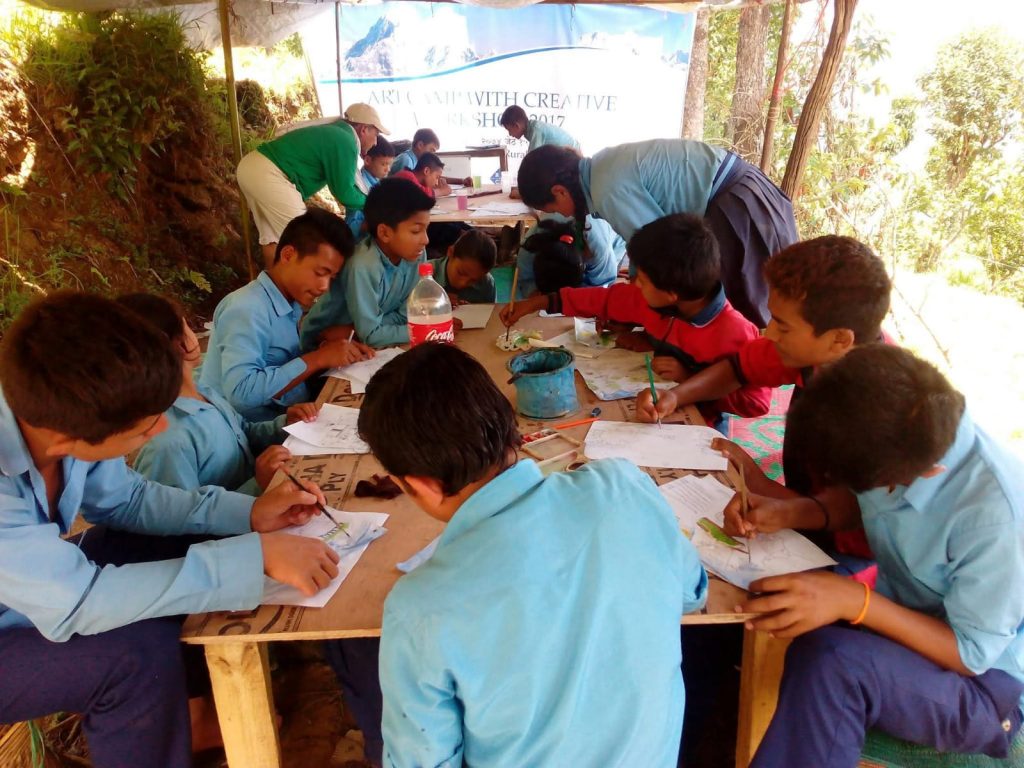
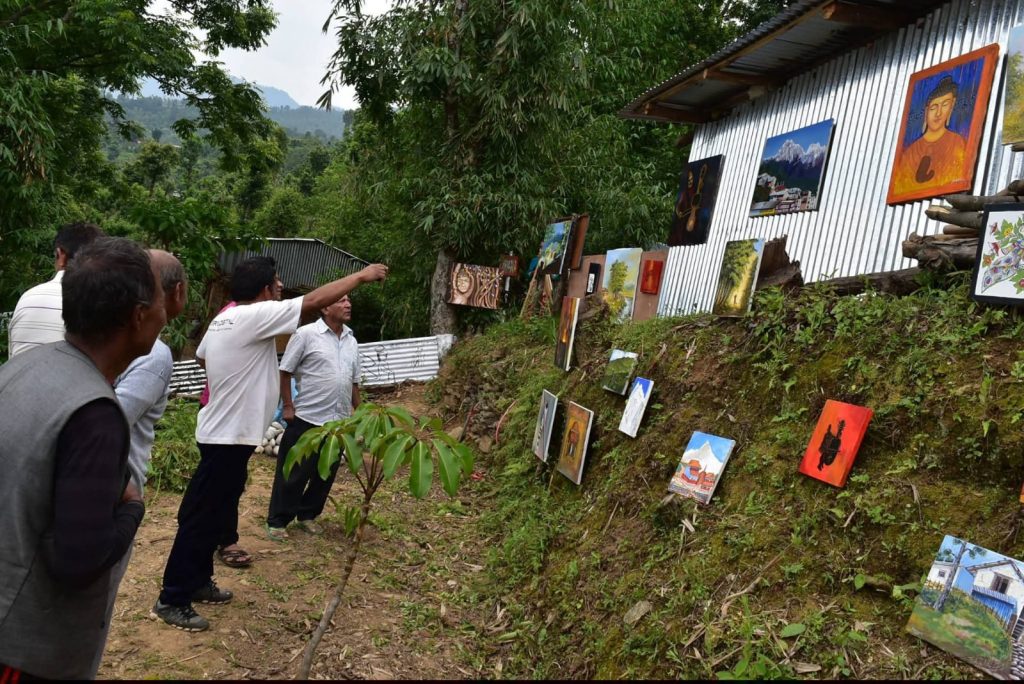
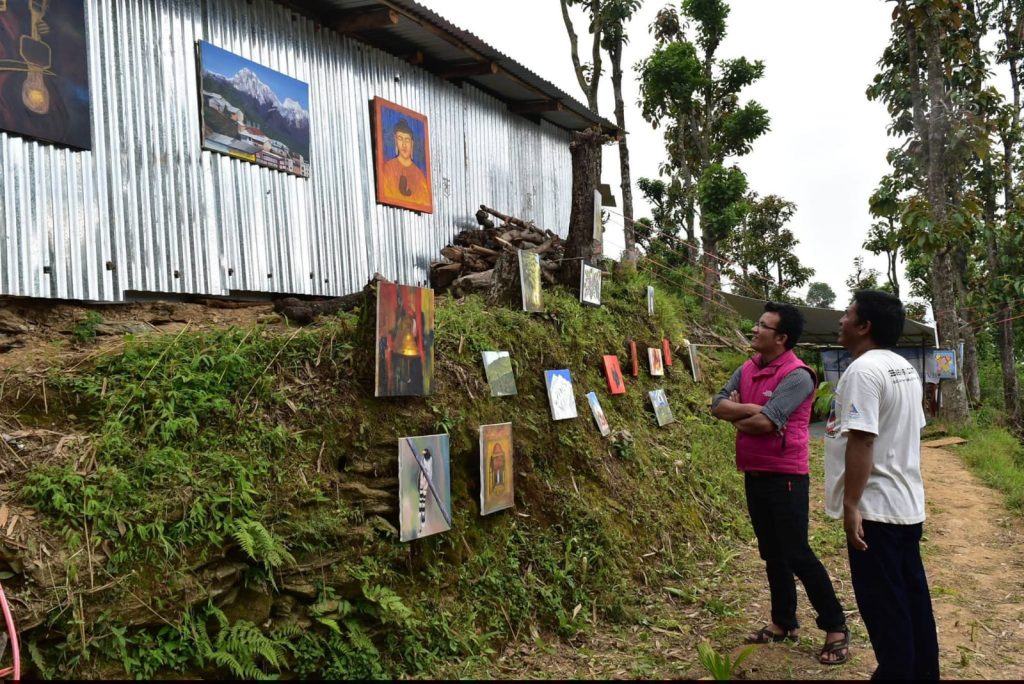
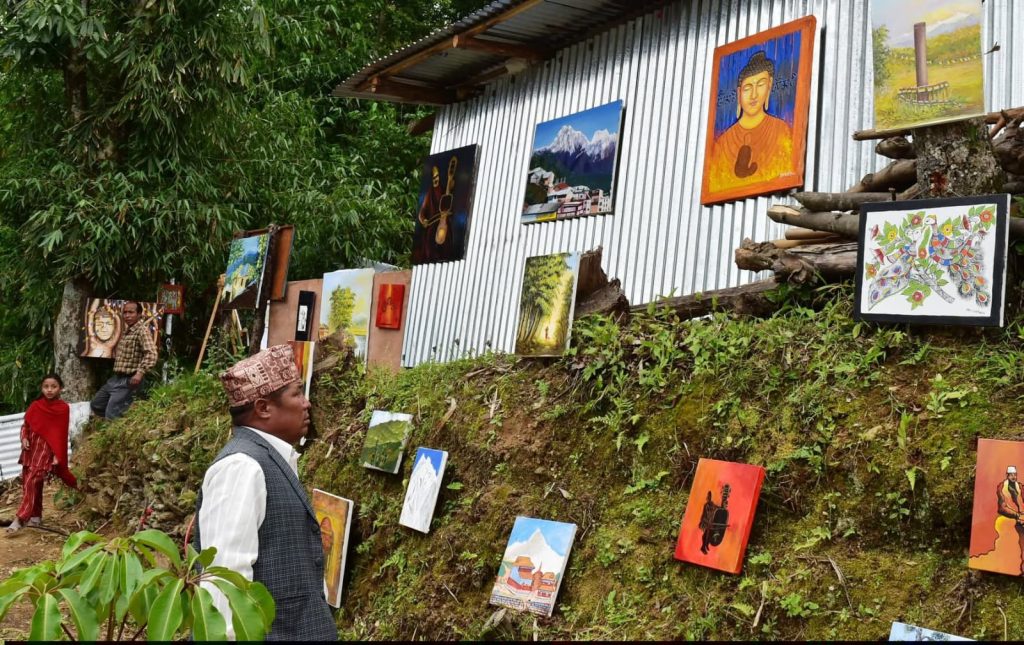
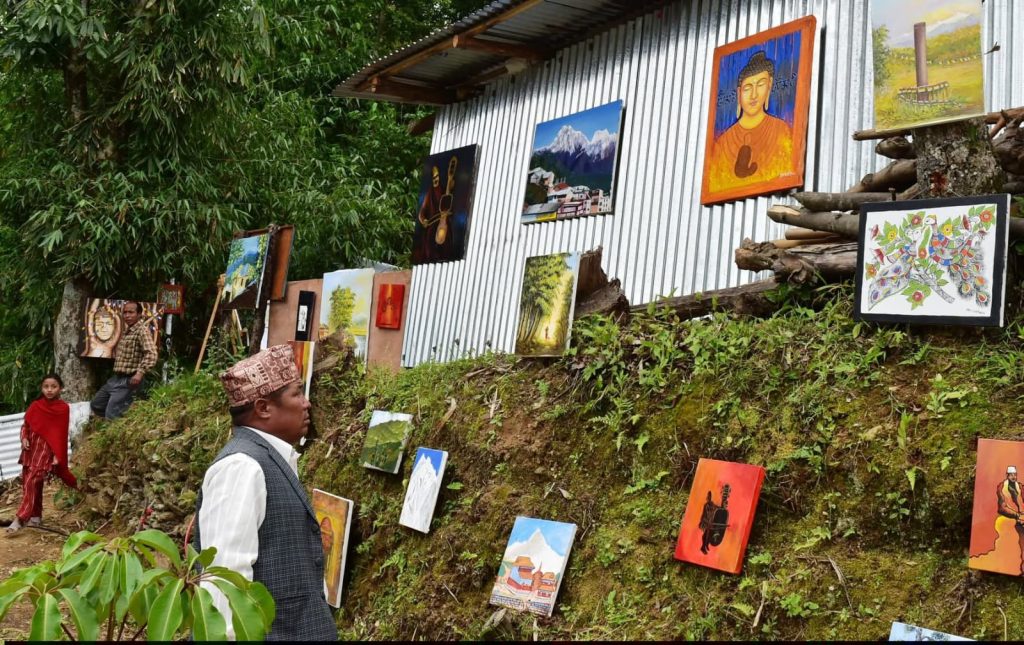
Umesh Shrestha is not only a contemporary Nepali artist but also a thinker whose creative journey extends beyond the canvas into lived experience and reflective action. His artistic practice is deeply rooted in an inner quest for consciousness, where art becomes a medium to explore, express, and awaken deeper human values. Born and raised in a rural environment, the early germination of artistic sensibility within him gradually evolved into a conscious pursuit. As he continued his journey through study and practice in Kathmandu as an outsider art student, his reflections increasingly turned toward the essence of human potential and the role of environment in shaping creative consciousness. In revisiting his childhood experiences, he recognizes a shared possibility in the children of similar rural settings—an inherent desire to create, often left unfulfilled due to the lack of resources and nurturing spaces. Guided by this realization and a sense of compassion, he initiated “Maa: Centre for Rural Art” in his native village, Sahu Tole, Gairimudi. The centre was envisioned not merely as a physical space, but as a field of awakening—where art could serve as a bridge between inner expression and outer reality. For several years, it provided free art materials and learning opportunities to all interested children. Professional artists from the city were invited to conduct workshops, fostering artistic awareness and literacy. Activities such as cleanliness drives and gardening were also carried out, reflecting a holistic approach where external environment and inner consciousness evolve in harmony. From a philosophical and Vedantic perspective, this initiative stands as an expression of satkarma—selfless action performed beyond personal gain, rooted in the expansion of collective well-being. It reflects a movement from the limited self toward a shared field of awareness, where creativity becomes a means of connection, compassion, and realization. Although the centre could not sustain its continuity due to the absence of economic grounding and livelihood integration, its essence remains alive—as a silent yet potent imprint of intention, memory, and possibility. The following images are fragments of that lived experience.